
Current projects in the lab
Roughly 15–20% of cancers worldwide are caused by infectious agents. Human papillomaviruses alone account for an estimated 5% of all human cancers, making HPV the single most important infectious cause of cancer globally. Despite this burden, no antiviral therapeutics exist for HPV-positive cancers. The central problem is persistence: to cause cancer, a virus must persist inside the host — acute HPV infections, per se, do not cause cancer. The virus must establish a long-term home inside dividing cells, evade immune surveillance, and manipulate cellular machinery over months to years. Paradoxically, when HPV causes cancer, it destroys the very cellular machinery it depends on to replicate, essentially committing suicide in the process. We believe that while causing cancer is not a goal, the ability to persist inside a host is a substantial evolutionary benefit and that cancer is a side-effect of the mechanisms the virus uses to achieve persistence. If we understand how the virus establishes and maintains long-term infection, we can design specific therapeutic interventions that are currently missing. We approach this question from multiple complementary directions using state-of-the-art tissue models, -omics, and evolutionary analyses. We are one of a very small number of laboratories in the world tracking the viral lifecycle from initial infection through to cellular transformation.
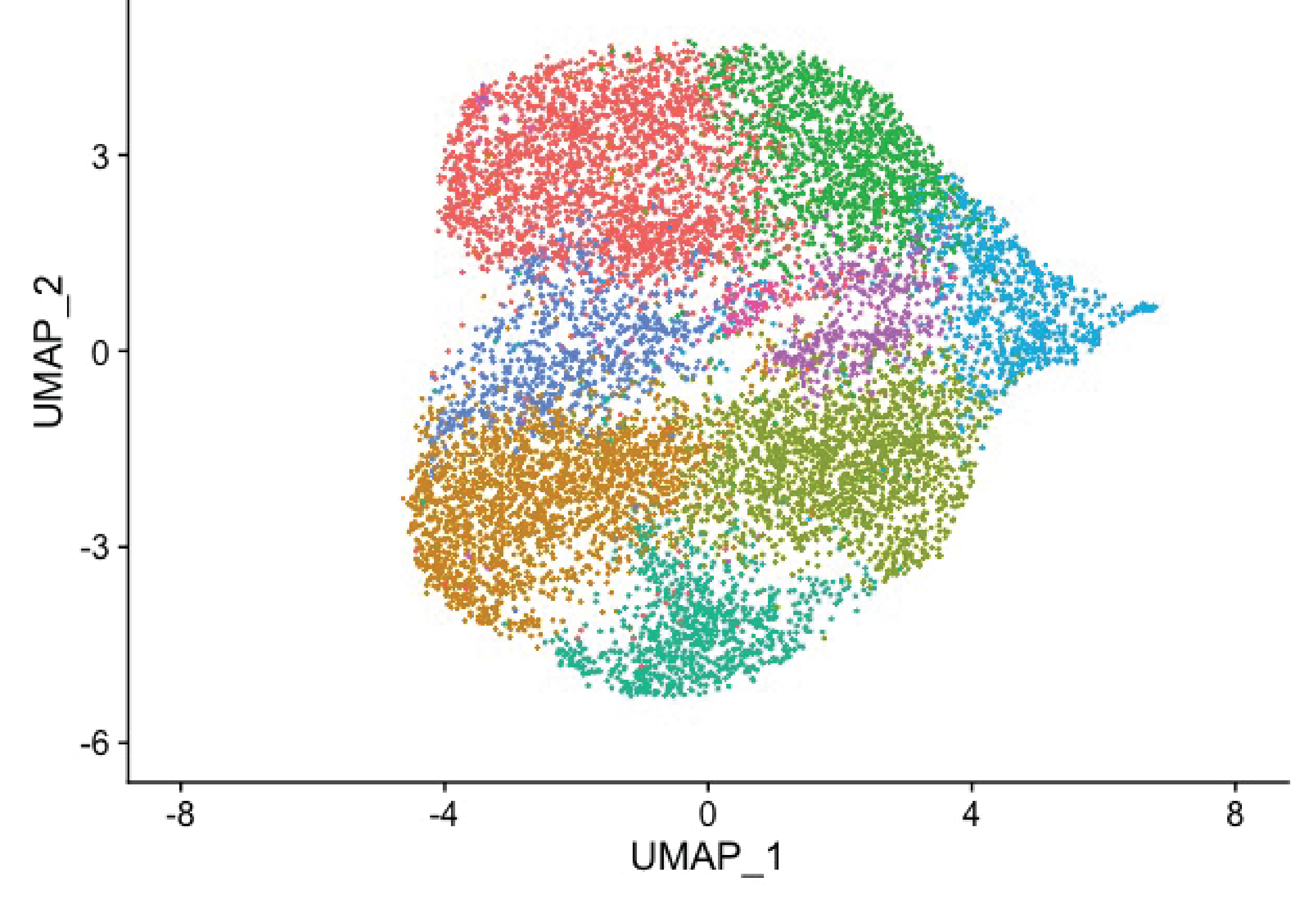
Host factors regulating persistence.
Until recently, it has been challenging to study the HPV lifecycle following infection. We and others have optimized infection of patient-derived primary cells to investigate how host-virus interactions contribute to initial genome amplification during the establishment phase and long-term viral persistence. Whether a virus persists could (1) be purely stochastic, (2) depend on some pre-existing cellular state (e.g., baseline activation of innate immunity), (3) rely on differential viral gene expression, or (4) (likely) a combination of these. To investigate this heterogeneity in outcomes, we used single-cell RNA-Seq to interrogate the transcriptional profile of 5000 infected primary human cervical-derived keratinocytes with HPV18. We identified hundreds of human genes differentially regulated in HPV18 infected cells. To my knowledge, we are the only lab in the world using single-cell RNA-Seq to study how the virus manipulates individual cells. The paper describing these data is currently in preparation. We are currently following up on one of the identified targets. Since an inhibitor for this pathway is currently in clinical trials for non-HPV tumors, this project has immediate translational potential. This project also illustrates our lab philosophy to translate large scale genomics data into actionable biochemistry and cell biology research.
PRMT1 and the control of HPV gene expression.
We identified protein arginine N-methyltransferase 1 (PRMT1) as a critical host factor during viral infection. PRMT1 is the primary cellular enzyme responsible for asymmetric arginine dimethylation, a modification that regulates the DNA damage response, histone biology, and cellular differentiation, all directly relevant to the HPV lifecycle. We report, for the first time, that HPV mRNA carries N6-methyladenosine (m6A) modifications in a PRMT1-dependent manner, and that PRMT1 regulates viral splicing. This establishes a new framework for understanding how oncogenic HPVs manipulate host RNA processing machinery to promote persistence. The clinical implication is direct: PRMT1 inhibitors are currently in cancer clinical trials, creating a translational pathway from our mechanistic findings. A manuscript is posted on bioRxiv; a second manuscript is in preparation. Interestingly, in HPV(+) cells, PRMT1 is alternatively spliced and translocates to the cytoplasm. We recently performed mass-spec to map the methylome in infected and parental control cells. Finally, since these data show that PRMT1 regulates viral splicing leading to loss of infection, we developed a high-throughput screening method that allows us to screen libraries of FDA approved drugs. By repurposing FDA approved drugs, we shorten the time to clinical application.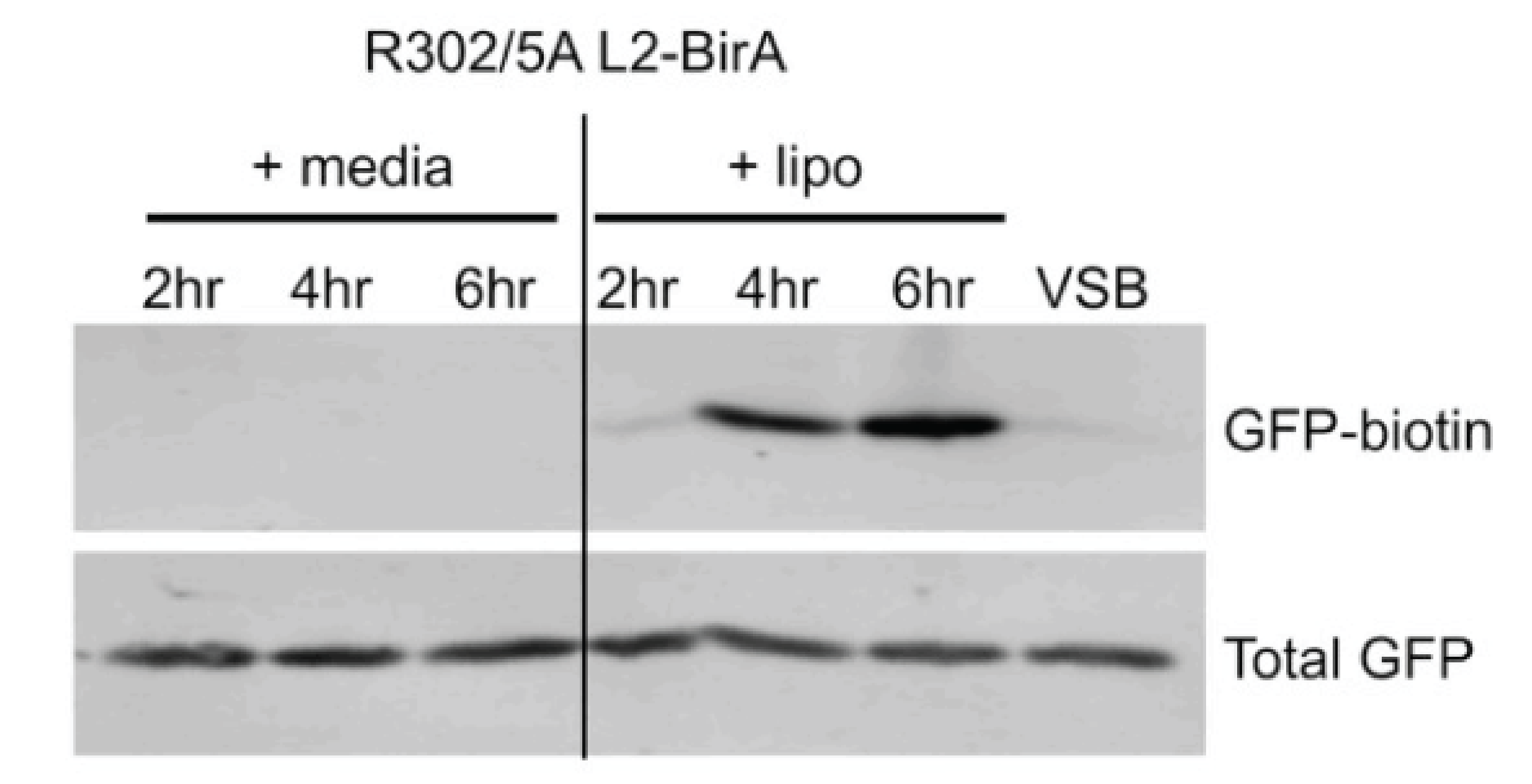
Role of the innate immune system during persistent infection.
In collaboration with the laboratory of Dr. Campos, my lab investigates how HPV manipulates the cGAS/STING arm of the innate immune response. Cytosolic DNA activates this pathway, initiating a signaling cascade that is detrimental to HPV establishment and persistence. We have demonstrated that activation of cGAS/STING limits HPV18's ability to establish in the host, and that oncogenic HPVs actively antagonize this pathway to limit the antiviral response. Our most recent work reveals an unexpected paradox at the heart of this immune evasion strategy: HPV18-positive keratinocytes produce significantly more cGAMP than donor-matched HPV-negative cells following DNA stimulation, yet show delayed and reduced phosphorylation of both STING and IRF3. This uncoupling of upstream cGAMP levels from downstream signaling requires the cooperative action of both viral oncogenes E6 and E7. At the transcriptional level, HPV selectively suppresses antiviral, interferon-stimulated, and pro-inflammatory gene programs while preserving or elevating epithelial differentiation and metabolic programs, consistent with a strategy of pathway redirection rather than wholesale silencing. Together, these findings support a model in which HPV persistence depends on the virus's ability to tolerate and even promote cGAMP levels while simultaneously limiting its downstream immunological consequences. Our preliminary data suggest that the viral oncogenes are involved in liberating inactive cGAS from the host chromatin, thus expanding the activatable pool of cellular cGAS. A manuscript is currently under review at the Journal of Virology (bioRxiv preprint available) with a graduate student as co-first author.
Evolution of CD4 regulation.
Demonstrating the broad utility of our evolutionary framework, a highly productive collaboration with Dr. Michael Kuhns in the Department of Immunobiology applies the evolutionary and comparative genomic tools developed in my HPV program to a foundational question in T cell biology: how does the CD4 co-receptor regulate T cell activation? The project exemplifies how disciplinary cross-pollination can exceed the sum of its parts: my expertise in molecular evolution provided the analytical framework to interrogate CD4's evolutionary history in ways that a purely immunological approach would not have pursued, and the biological depth Dr. Kuhns brings to T cell signaling transformed those evolutionary observations into mechanistic insights. By reconstructing approximately 435 million years of CD4 evolution across jawed vertebrates, we identified previously uncharacterized transmembrane and intracellular motifs under strong purifying selection that both enhance and inhibit pMHCII-specific T cell responses, independently of the CD4-Lck interactions that have long been considered the central mechanism of CD4 function. These findings challenge a foundational model of T cell signaling and have direct implications for the engineering of synthetic receptors including CAR-T cells. This collaboration has produced two publications in eLife (Lee et al., 2022; Lee et al., 2024), demonstrating that the evolutionary approaches developed to study papillomaviruses are applicable across biological systems.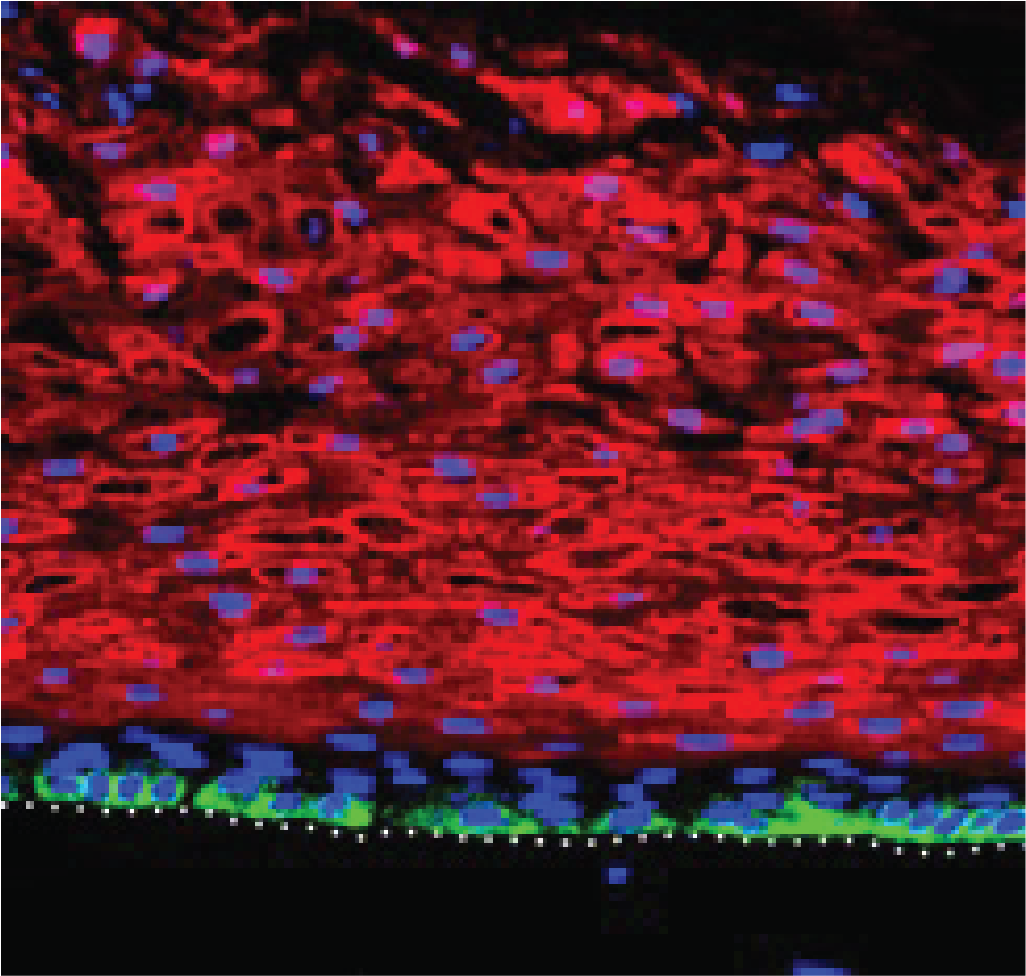
Viral manipulation of cellular differentiation.
The complete HPV lifecycle is tightly coupled to the differentiation of the epithelial cells the virus infects. HPV has evolved to delay differentiation in infected cells while remaining sensitive to the differentiation signals that trigger late viral gene expression. To characterize the cellular genes regulating this process, my lab developed HPV16-positive tonsillar epithelium equivalents grown in three-dimensional organotypic raft culture, combining single-cell RNA sequencing with a genome-wide CRISPR/Cas9 knockout screen to identify host genes critical for late viral gene expression. At the time this work was initiated, we were among the first laboratories to combine this type of tissue engineering with single-cell genomics in the context of HPV biology, and this technical innovation has positioned my group at the intersection of viral pathogenesis and epithelial cell biology. An initial manuscript was published in 2023, followed by a collaborative study with the Wells laboratory at Cincinnati Children's Hospital published in Nature Communications in 2023 that identified a specific keratinocyte subpopulation implicated in HPV16-driven oncogenesis, reframing how the field understands cellular heterogeneity in viral disease. Two additional manuscripts from this work are in preparation. The insights gained from this program are directly relevant to the dramatic rise in HPV-positive head and neck cancers, one of the fastest-growing cancer subtypes in the United States.Building on findings from this project and from our parallel investigations into N6-methyladenosine (m6A) RNA modification, we have established a new research direction examining the connection between m6A, viral RNA splicing, and productive HPV replication. Because the m6A pathway is pharmacologically tractable, this project offers a clear path toward translational applications.
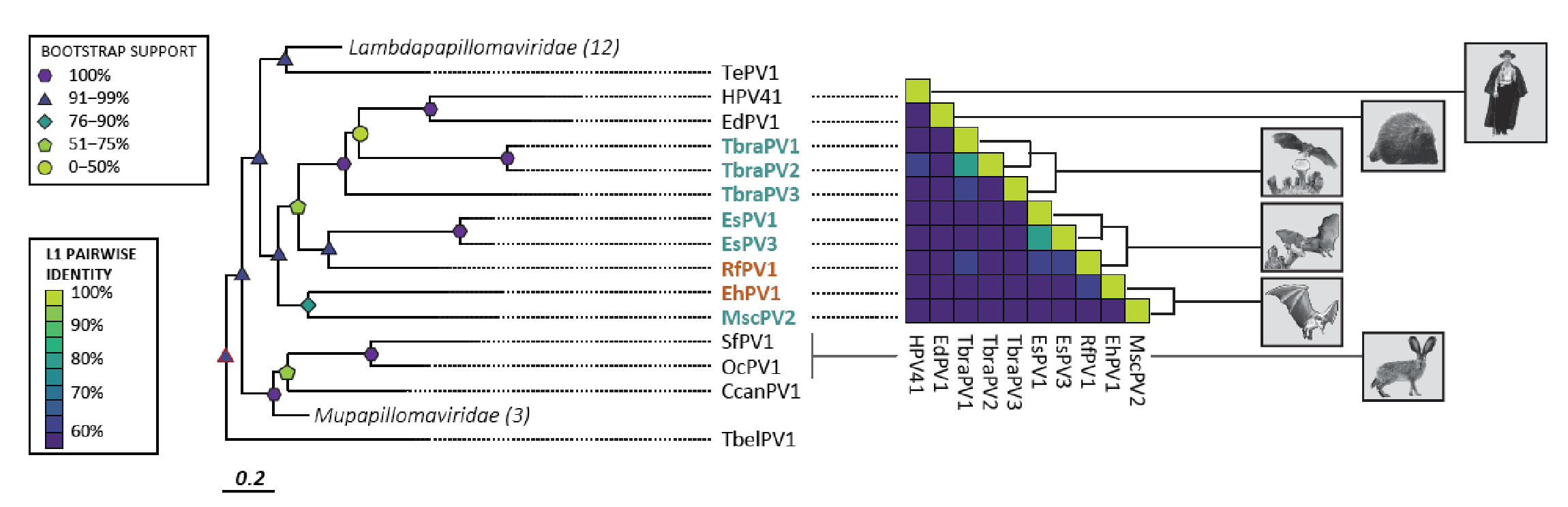
Virus Discovery and Evolution.
As the COVID-19 pandemic illustrates, it is crucial to understand how viruses evolve. This requires that we know what viruses circulate in humans and animals. The discovery of novel viruses has been a substantial effort by my laboratory in collaboration with the lab of Dr. Varsani. We sample a wide array of animal and human tissues and use Next-Generation sequencing to identify the viruses in these samples. New viruses are further characterized and used to study the evolutionary history of the 'virome' (the total collection of viruses). We have published 15 papers on this topic.